
INTRODUCTION
As a leading bitumen supplier in the UAE, Raha Oil produces and exports Bitumen 160/220 the softest standard penetration grade to markets worldwide. Sourced from Jebel Ali and refined to European Standard EN 12591, this grade offers exceptional flexibility, making it the preferred base material for asphalt emulsions, polymer modified binders, and cold-climate applications. Whether you need bulk vessel shipments or drums for smaller projects, Raha Oil delivers consistent, ISO 9001-certified Bitumen 160/220 backed by international inspection at every stage of loading.
BITUMEN PENETRATION 160/220
Bitumen 160/220 is a standard penetration grade bitumen, commonly used as a paving grade binder for road construction and the production of high-performance asphalt pavements. This grade is primarily used in hot mix asphalt for bases and wearing courses.
Penetration Bitumen supplied by Raha Oil is petroleum-grade bitumen, manufactured through fractional and vacuum distillation of crude oil, using vacuum residue (short residue) feedstock. Penetration grade bitumens are classified through penetration and softening point testing, with the designation based on penetration range alone. Like other penetration grades, Bitumen 160/220 has a thermoplastic property — softening at high temperatures and hardening at lower temperatures. This temperature-viscosity relationship is essential for determining performance parameters such as adhesion, rheology, durability, and application temperature.
Bitumen Penetration 160/220 is manufactured with carefully selected crude oils through production processes certified to EN ISO 9001 quality management standards. Consistent quality is maintained through meticulous raw material selection, careful processing, and additional comprehensive testing, ensuring reliable performance in asphalt mixing plants.
PROPERTIES OF ASPHALT 160/220
Bitumen Penetration 160/220 supplied by Raha Oil is pure petroleum-grade bitumen, manufactured from vacuum bottom residue through controlled processing with hot air. It has a penetration value between 160 and 220 (0.1 mm) and a softening point between 35°C and 43°C.
Bitumen 160/220 is a thermoplastic material that softens gradually as it is heated and hardens as it is cooled. This temperature-viscosity relationship is essential for determining its performance parameters and application temperatures. Unlike modified binders, penetration grade bitumen behaves as a Newtonian fluid at high in-service temperatures, which allows a predictable temperature-viscosity relationship to be established.
BITUMEN 160/220 VS. OTHER PENETRATION GRADES
Bitumen 160/220 is the softest standard penetration grade available, offering maximum flexibility compared to harder grades like 100/150, 70/100, or 50/70. While it provides excellent resistance to low-temperature cracking, it offers less resistance to rutting under heavy traffic, which is why it is rarely used directly in high-traffic road surfaces.
Instead, Bitumen 160/220 is primarily valued as a base material its low viscosity makes it easier to process into asphalt emulsions and polymer modified binders, where its properties can be adjusted for specific performance requirements.
APPLICATION OF BITUMEN 160/220
Bitumen 160/220 is a penetration grade, with penetration between 160 and 220, mostly used in road construction, asphalt pavement, and the manufacture of hot mix asphalt. It is used in the construction of single seals, double seals, and Cape seals, either as a tack coat or penetration spray. It is also used as the base bitumen for the manufacture of the majority of emulsions and polymer modified binders.
Paving Grade Bitumen 160/220 produced by Raha Oil provides high performance in terms of resistance to aging, plasticity, and behavior at low temperatures. Thanks to these properties, it is employed to produce bituminous mixes with a flexible structure for the paving of roadways, runways, pavements, race tracks, and landing platforms.
It also performs well in industrial applications such as the preparation of mixes for membrane production using SBS technology, and is applicable in the formulation of bituminous emulsions, waterproofing membranes, oxidized bitumens, bituminous paints, special lubricants, and mastics.
THE 4 MAJOR TESTS OF BITUMEN 160/220
- Penetration Test: Measures the hardness or softness of bitumen by the depth, in tenths of a millimeter, that a standard loaded needle penetrates vertically in 5 seconds under standard test conditions. A grade of 160/220 means the penetration value falls between 160 and 220 one of the softest standard grades available. In hot climates, a lower penetration grade is generally preferred.
- Softening Point Test: Identifies the temperature at which bitumen reaches a specified degree of softening, measured using the Ring and Ball apparatus. Bitumen 160/220 has one of the lowest softening points among penetration grades, reflecting its very soft classification.
- Ductility Test: Measures bitumen’s ability to undergo deformation or elongation without breaking, expressed as the distance in centimeters a standard sample can be stretched.
- Viscosity Test: Measures bitumen’s resistance to flow at application temperature. This property significantly influences the strength of paving mixes both low and high viscosity during compaction or mixing can reduce mix stability.
WHY BITUMEN 160/220 IS RARELY USED ALONE IN ROAD SURFACES
Because of its softness, Bitumen 160/220 is more prone to deformation under heavy or sustained traffic loads compared to harder grades. For this reason, it is typically not specified as a standalone binder for high-traffic road surfaces. Instead, it serves as a foundational material that is further processed either through emulsification or polymer modification to achieve the performance characteristics needed for specific paving applications.
COMMON APPLICATIONS
Bitumen 160/220 is most commonly used as the base bitumen for anionic and cationic asphalt emulsions, as well as polymer modified binders (PMB) used in high-performance pavements. It is also used in single, double, and Cape seal surface treatments, tack coats, and penetration sprays, where its low viscosity allows for easier application and better aggregate coating at lower temperatures.
GUARANTY AND SAFETY OF BITUMEN 160/220
RAHA Oil guarantees the quality of Bitumen Penetration Grade 160/220 through international inspection arrangements that verify quality and quantity during vessel loading, alongside internal QC batch testing before shipment. The Bitumen Grade 160/220 is produced in compliance with International and European Standard DIN EN 12591, meeting all specified requirements.
PACKING OF BITUMEN GRADE 160/220
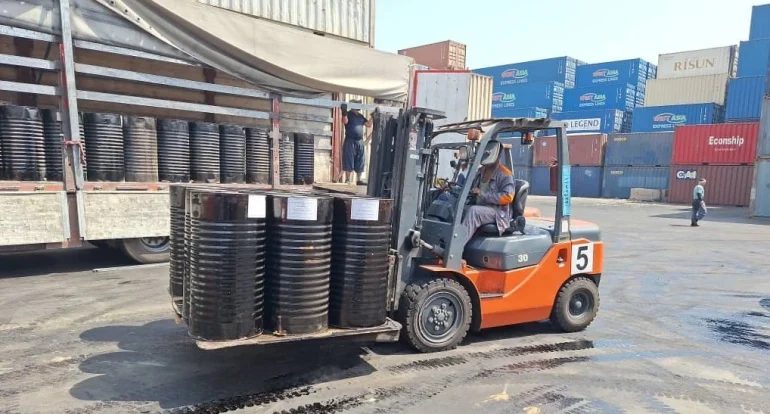
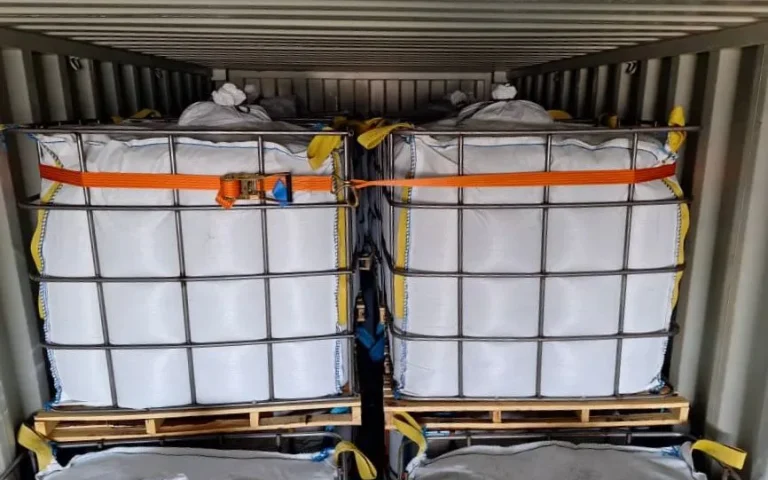
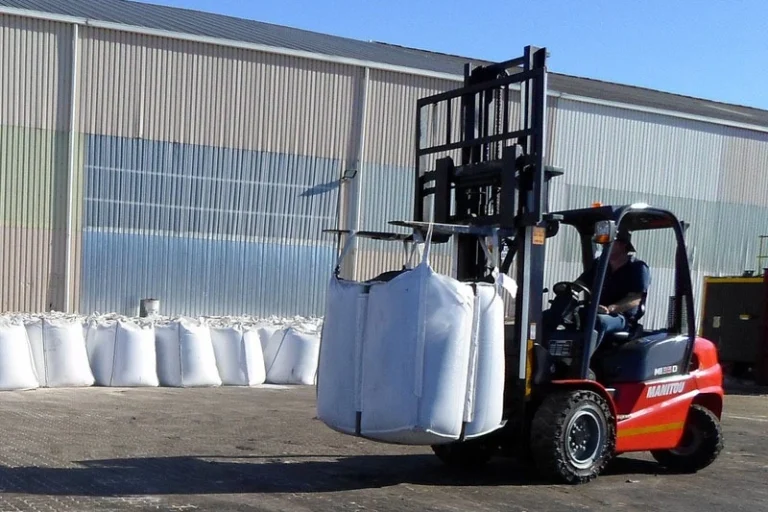
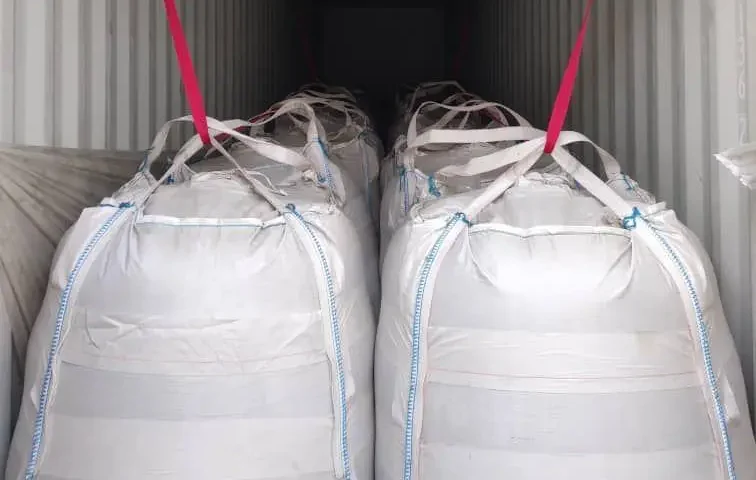
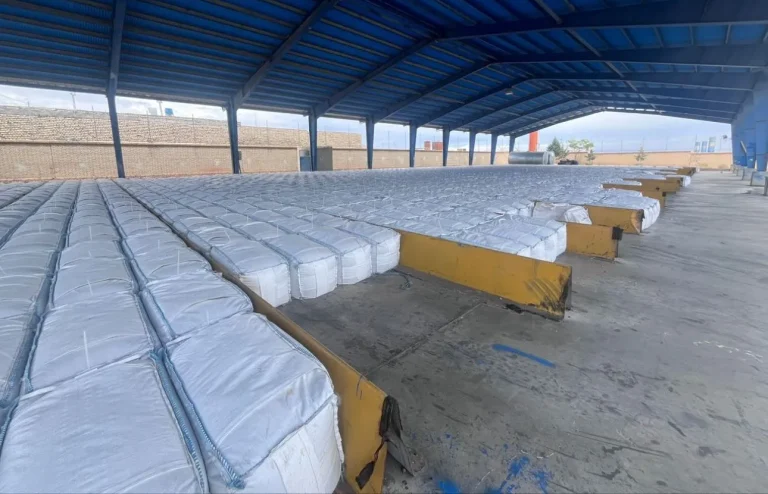
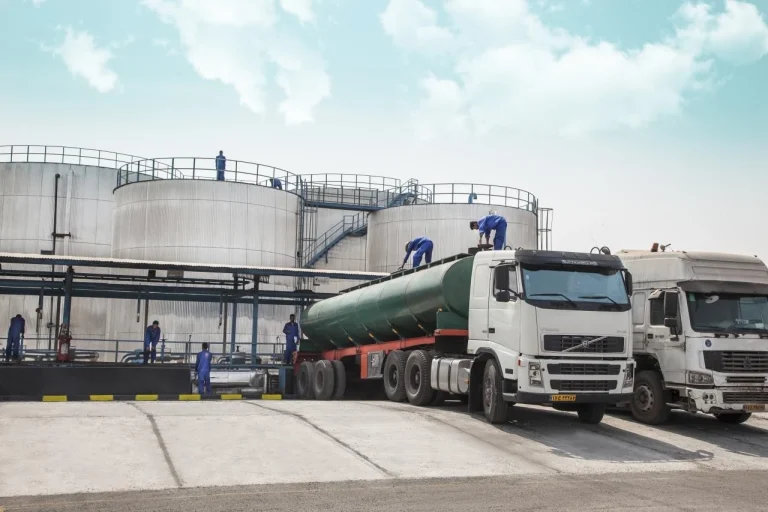
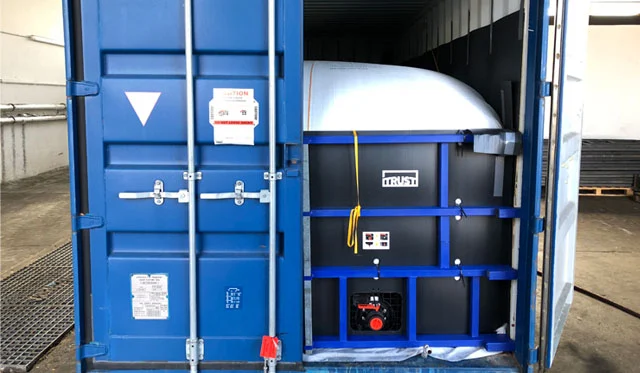
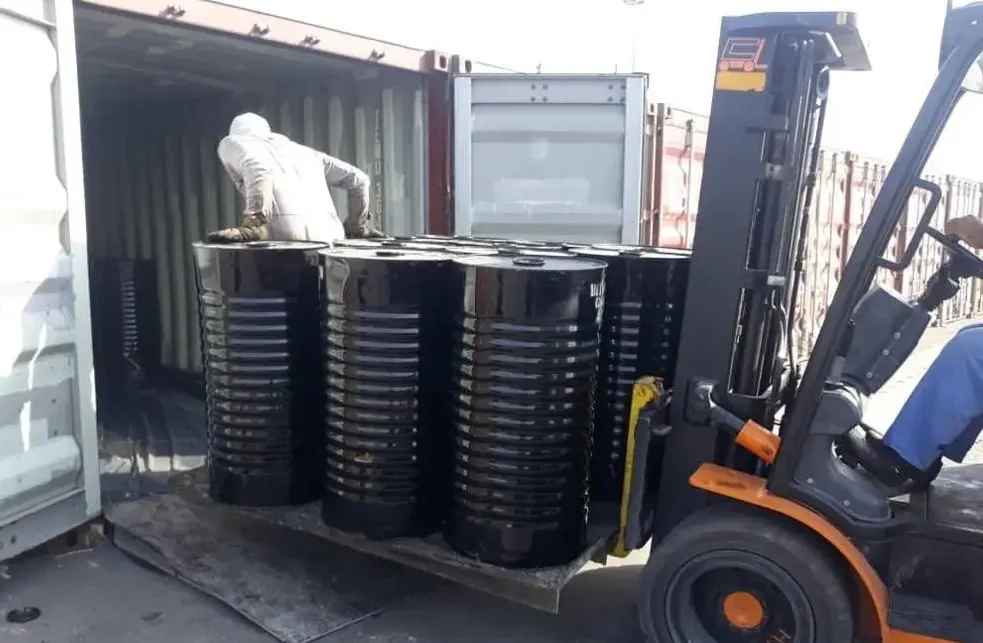
Bitumen packaging is a real concern, especially for export shipments — proper packaging guarantees safer delivery of the cargo. Packaging options vary depending on tonnage, type, and grade, since different bitumen grades have different levels of stiffness and viscosity. Bitumen 160/220 is commonly packed in new steel drums (150, 180, and 220 kg barrels), Jumbo Bags, or 300 kg Bitubags.

FREQUENTLY ASKED QUESTIONS - FAQ
Bitumen 160/220 is the softest standard penetration grade, used mainly as the base bitumen for emulsions and polymer modified binders, as well as in single, double, and Cape seal surface treatments.
Bitumen 160/220 has a penetration value of 160–220 (0.1 mm) and a softening point of 35–43°C, as confirmed by EN 1426 and EN 1427 testing.
Yes. As the softest standard penetration grade available, Bitumen 160/220 offers excellent flexibility at low temperatures, making it well-suited to cold-climate applications and emulsion production.
Raha Oil supplies Bitumen 160/220 in bulk/tanker loads and 180 kg new steel drums.
Bitumen 160/220 — Technical Data Sheet
EN 12591 Standard| Property | Test Method | Unit | Specification | |
|---|---|---|---|---|
| Penetration – 25°C, 100g, 5s | EN 1426 | 0.1 mm | 160–220 | |
| Softening Point (Ring & Ball) | EN 1427 | °C | 35–43 | |
| Kinematic Viscosity @ 135°C | EN 12595 | mm²/s | 135 min | |
| Solubility in Xylene | EN 12592 | % | 99 min | |
| Flash Point (Cleveland Open) | EN 22592 | °C | 220 min | |
| Performance After RTFOT (EN 12607-1) | ||||
| Change in Mass (m/m) | EN 12607-1 | % | 1 max | |
| Retained Penetration (% of original) | EN 1426 | % | 37 min | |
| Increase in Softening Point | EN 1427 | °C | 37 max | |
| Softening Point After Hardening | EN 1427 | °C | 12 max | |
WHY CHOOSE RAHA OIL FOR BITUMEN 160/220
RAHA Oil supplies Bitumen 160/220 from Jebel Ali, UAE, manufactured under production processes certified to EN ISO 9001 quality management standards. Quality is further verified through international inspection during vessel loading and internal QC batch testing before every shipment.
With reliable bulk and drum packing options and a global export track record, Raha Oil supports both emulsion manufacturers and PMB producers requiring a consistent, high-quality base bitumen supply.
GET BITUMEN 160/220 EXPORT QUOTE
Looking for a reliable Bitumen 160/220 supplier in UAE?
RAHA Oil provides competitive FOB and CFR export prices for Bitumen 160/220 with worldwide shipment support from Jebel Ali ports.
- Steel Drum Packing
- Jumbo Bag Packing
- Bitutainer Shipment
- Bulk Vessel Supply
- SGS Inspection Available
- Worldwide Export Support
Contact our export team today for updated prices and shipment schedules.


